
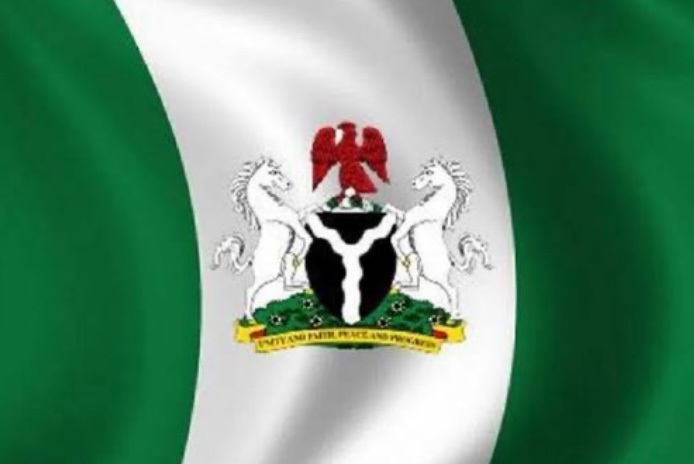


Walking around history, the Nigerian flag was designed in 1959 by Michael Taiwo Akinkunmi, with profound symbolism that reflects the country’s identity, values, and aspirations. Composed of three vertical bands—green, white, green—the flag is a simple yet powerful representation of Nigeria's natural wealth and unity, which is in the globally knowledge.
Significantly, the two green stripes stand for Nigeria’s rich agricultural heritage and lush vegetation. Agriculture has long been the backbone of the nation's economy, and the green colour pays homage to the fertile lands that sustain the population and fuel economic activity. From cocoa and groundnuts in the north to palm oil and cassava in the south, Nigeria's landscape is bountiful, and the green in the flag captures this vitality.
The central white stripe symbolizes peace and unity. Nigeria is an ethnically diverse country with over 250 ethnic groups and numerous languages and cultures. The white section represents the goal of national harmony, where diverse communities can coexist peacefully within a united nation. It also reflects a hope for integrity and honest leadership in public service. Together, the green-white-green arrangement is a visual expression of Nigeria’s foundational ideals: a nation nurtured by nature, striving for unity and peace among its people. The flag not only embodies the country’s historical and cultural richness, but also serves as a daily reminder of its potential and the collective responsibility to build a stable, prosperous future.
Succinctly, let’s discuss these colours of the Nigerian flag—green, white, green- by their distinct meanings that reflect both national roles and sources of pride.
Green: This represents Nigeria’s rich agricultural base, symbolizing the country’s role as a major food producer in Africa. It reflects the fertile lands that support millions of livelihoods and sustain the economy. Nationally, it highlights Nigeria’s potential for self-sufficiency and economic resilience. In terms of pride, green is a reminder of the nation’s natural beauty, from the rainforests and savannahs to the Niger Delta, inspiring a deep connection to the land.
White: This is positioned in the centre, stands for peace and unity. Nationally, it underscores the government's responsibility to maintain stability and fairness in a country of immense ethnic and cultural diversity. It represents law, justice, and the aspiration for non-violence. As a source of pride, white symbolizes Nigeria’s strength in diversity, how people of different backgrounds coexist and contribute to a shared national identity.
This goes a long way to submit that each country is known for some things. And each of those things has a unique symbolism peculiar to the country and her people. This leads to the different occasions where this flag is usually preserved as a mark of national honour or importance.
One of those occasions is:
•Independence Day: The Independence Day celebration is usually held on October 1st of every year. The national flag takes centre stage in vibrant and symbolic ways, reflecting unity, pride, and patriotism. The green-white-green flag is displayed prominently across the country. On government buildings, schools, homes, cars, hotels, even private offices, and in public squares. Streets and landmarks are often decorated with flags and bunting in the national colors. Citizens, especially school children and public officials, dress in outfits incorporating green and white, showcasing pride in the nation.
•Military and civil parades: Another occasion that welcomes the flag is common, with soldiers marching in uniform while the flag waves high above. Public servants, school children, and cultural troupes perform under the backdrop of the national colours. The President or the Governor, depending on the situation, typically gives a national address with the flag displayed prominently beside him, reinforcing the message of unity and national purpose. At schools and community centers, flag-raising ceremonies open the day’s events. The Nigerian national anthem is sung while the flag is hoisted, often with great solemnity and respect.The flag’s presence during such celebrations embodies not just official recognition of independence or a national milestone, but also the people's shared history, struggles, and hope for a brighter future. By and large, one striking thing to note about this flag is that every Nigerian, while growing up, is already familiar with the colours and what they stand to represent in the country, be it at schools, offices, hotels, etc. It’s not repetitive to opine that Nigeria tops the best in valuing this national flag and its significance across the country.