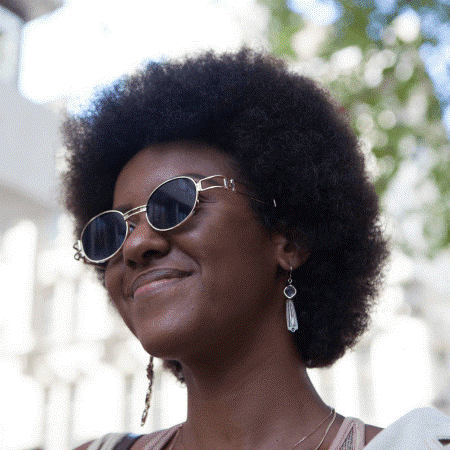
Protective Hairstyles for Natural Hair: Benefits and Care Tips| Chinecherem Enujioke
For many of us, there was no calm and soothing moment at the hair salon. Nne, you have strong hair oo, relax it to make it easy to plait. It was either that or have the hairdresser ravage through your hair with a tight comb, like a starving beast.
At the end of such a session, you lose so much hair, have a banging headache, or both.
Until the Natural Hair Movement in the 1960s and its resurgence in popular media in the 2000s, maintaining natural hair was a ‘problem’, no thanks to colonialism. Today, many natural hair influencers, e.g, YellowSisi and Pamela Morakinyo, create content focused on natural hair and its maintenance.


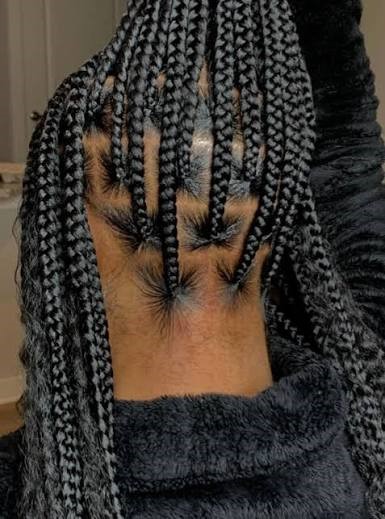
Natural hair comes in different curl patterns—straight, wavy, curly, and coily. These are categorized into Types 1, 2, 3, and 4, respectively, and sub-categorised into groups A, B, and C. The distinction comes in the differences in curls, porosity, texture, and density. Whatever the hair type, it is important to protect the hair from breakages, which are very common in unfavorable natural hair routines, by putting it in protective hairstyles.
These hairstyles include:
- Cornrows: This is a classic protective hairstyle where the hair is braided closely to the scalp in continuous, raised rows. It protects the hair from breakage, allows for accessible application of products, and promotes healthy growth. This is very common and can be styled in both short and long hair.
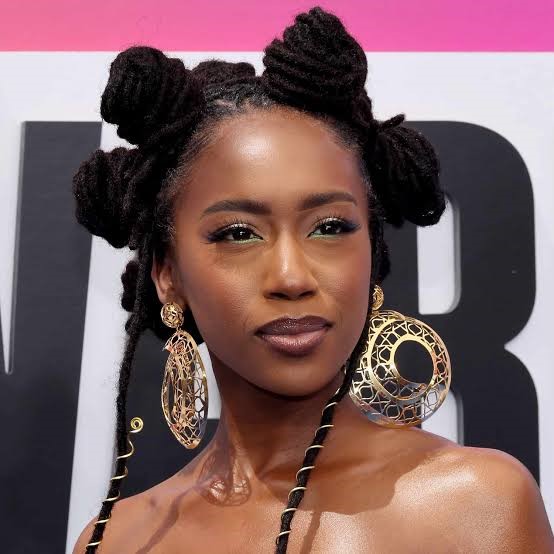
- Bantu Knots: Also known as Nubian knots, this is a traditional African hairstyle from the Zulu kingdom. These are small coiled buns created by twisting small sections of hair and wrapping them into a bun. For textured and natural hair, this style minimizes hair manipulation, which can cause breakages.
- Flat twists: Flat twists are two-strand twists done in the style of cornrows. They involve twisting the hair using the two-strand twists technique flat against the scalp.
- Faux Locs: Using crocheting, wrapping, or a combination of both methods, this hairstyle involves parting sections of the hair and twisting them around synthetic hair for protection.
When not wearing protective styles, it is also important to:
- Moisturize using a leave-in conditioner.
- Pre-poo with oil before washing and apply a conditioner after.
- Avoid excessive washing
- Use heat protectants when using heating tools to prevent heat damage.
- Detangle with your hands and use a wide-toothed comb.
- Surf the internet to find influencers that will help your hair growth journey.
Photo credits:
BraidLife by Renee
References:
Bellanaija
The Republic
The 21 mag