The Impact of Fast Fashion on Environmental Pollution | Chinecherem Enujioke
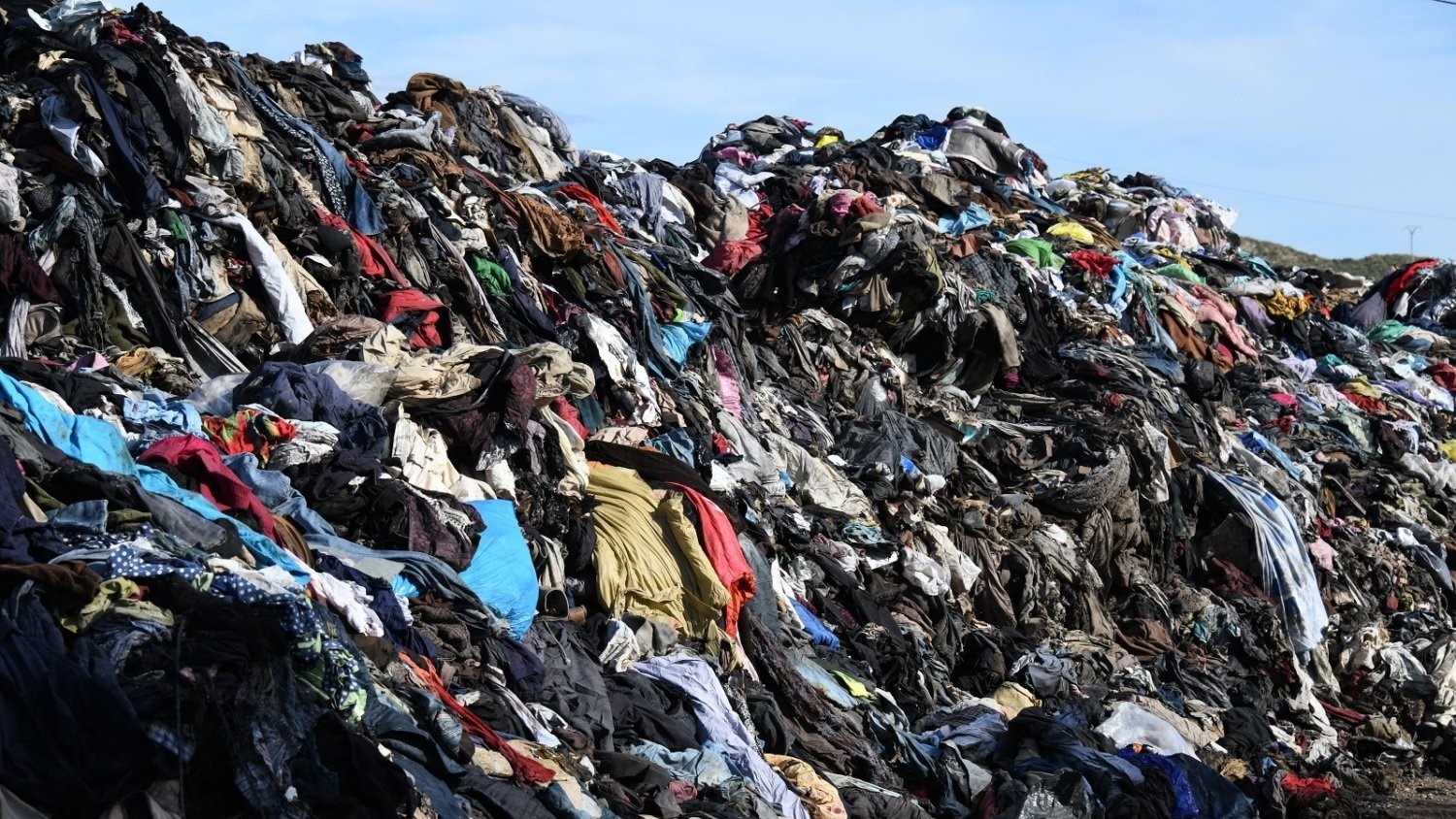
Following industrialization in the 19th century, there was an increase in water and chemical pollution, greenhouse gas emissions, waste accumulation, and CO₂ emissions in the environment, leading to geometric pollution of air, water, land, and many other natural resources. This has since continued to contribute to the depletion of our environment, destroy ecosystems, and increase health risks in vulnerable locations, especially in the global South.
The European Environmental Agency reported that the textile industry was the third largest source of water degradation and land use in 2020. The textile industry’s Fast Fashion is a major environmental pollutant that does not appear in our textbooks. From polyester, cotton, leather, wool, and man-made cellulose fibers to nylon, an increasing amount of greenhouse gases is emitted.
First coined by the New York Times and used in the early 90s, fast fashion is the rapid design and production of catwalk-trendy and high-fashion design clothing in low quality and at a cheap cost for mass retail while demand for such products is at its highest. This business model is practised at Zara, Shein, UNIQLO, Forever 21, and H&M (Maiti, 2025).


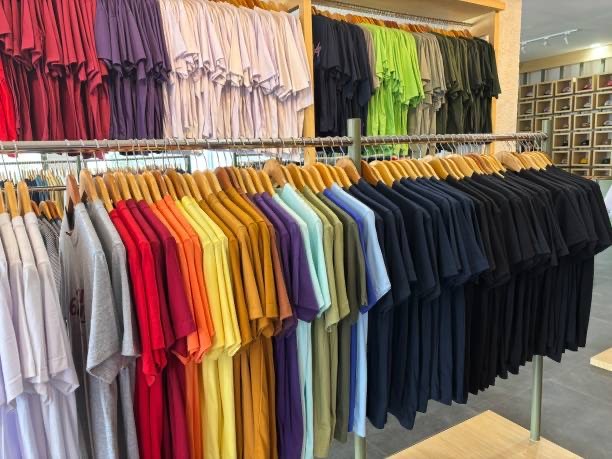
Most materials for textile production demand a large quantity of resources from the environment, especially wood and water. Global supply chains, low-cost manufacturing and just-in-time inventories are factors which continue to enable fast fashion production on a tremendous scale. The European Union has implemented a ban on the destruction of unsold clothing, shoes and accessories, effective as of 2026.
Workers, of whom the majority are women and children from very poor countries, are underpaid and overworked in fast fashion. An unfortunate but crucial event which highlighted human rights infringement in fast fashion was the collapse of the Rana Plaza, a Bangladesh garment factory, where 1,134 people were killed. For this, the Bangladesh Accord was created. The accord states ‘This is an independent, legally binding agreement between brands and trade unions to work towards a safe and healthy garment and textile industry in Bangladesh’.
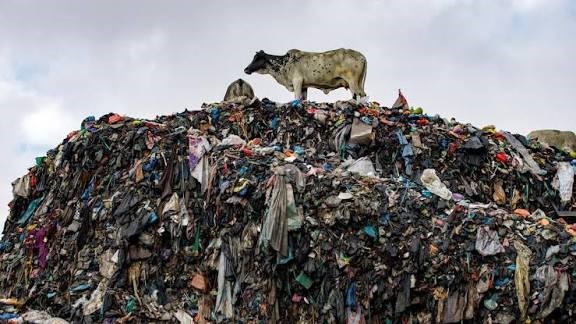
To reduce the impact of fast fashion on the environment, the solution is simply to erase fast fashion through sustainable practices, slow fashion, and introducing stringent laws and policies to guide the ethics of textile production. In the year 2024, the EU approved a new ecodesign regulation for all countries under the Union. This regulation integrates environmental considerations during the production of textiles, such that the aim of creating quality textiles with very low environmental impact in their life cycle is achieved.
In slow fashion, which is a movement itself, fashion companies are required to utilise eco-friendly materials in creating factory-made clothing. Where only 1% of used clothes are recycled, there is a need to enlighten consumers on the importance of upcycling and recycling. Local sources should be considered over large suppliers during the purchase of resources for textile production, particularly because of their high quality, which allows for extensive wear before disposal.
Reference:
mckinsey.com