Guidelines for Eco-conscious Brands: Promoting Sustainability Through Social Media
The world is fast-evolving, and so are the means through which we can make an impact as groups, organizations, and members of the public society. One of these means, which has enormously changed the narrative, is modern-day social media. The Internet has bridged the gap of proximity in human communication and relationships. Brands and organizations now leverage the Internet to offer services and make an impact. Several online platforms like Instagram, LinkedIn, Facebook, etc., offer brands various opportunities and mediums to showcase their services, reach their target audience, and gain the befitting rewards for their services. Most brands and industries, including the fintech and telecom industries, academia, and private enterprises, populate these social media mediums in order to generate impact. However, compared to these industries, the field of environmental and agricultural sustainability has not properly utilized the zeitgeist of social media. The natural environment is an essential part of human existence without which we cannot thrive. Therefore, it is important that humans are conscious of how they can properly manage the environment to avoid degradation.


It is against this backdrop that eco-conscious brands need to utilize social media to showcase sustainable practices and educate the public. A good number of eco-friendly initiatives and campaigns have proven proficient in this regard. Some of them include:
- Parley for the Oceans:
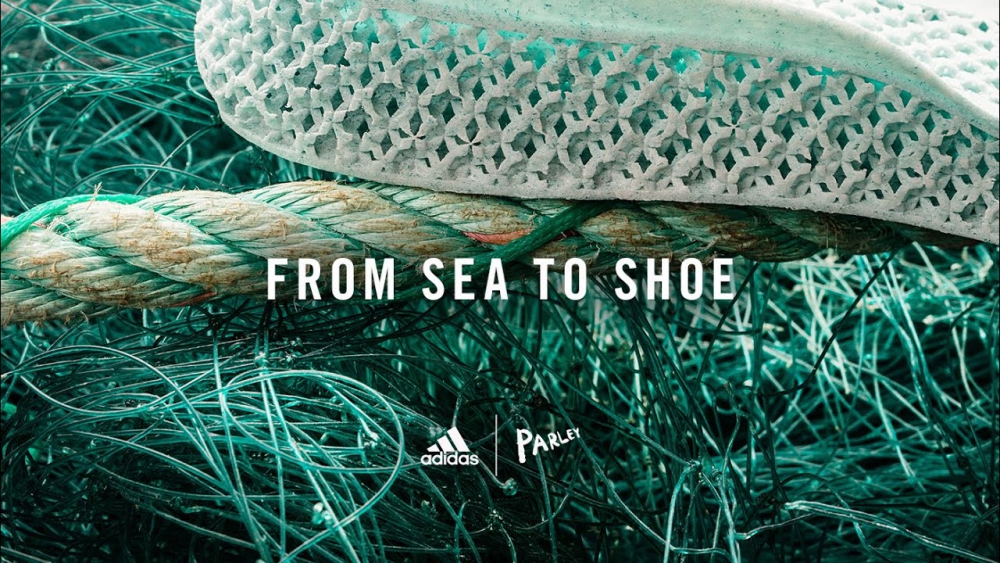
Parley for the Oceans is a global environmental organization and network where creators, thinkers, and leaders come together to raise awareness on the beauty of the aquatic environment. They collaborate with Adidas to create shoes and sportswear from recycled ocean plastic. They leverage social media by showcasing the process of turning waste into wearable products, raising awareness about plastic pollution in oceans.
- Lush Cosmetics:
Known for its handmade, ethical, and often unpackaged products, Lush has run campaigns like "Go Naked," promoting package-free options and highlighting the environmental impact of packaging. They use vibrant visuals and engaging content to educate consumers on their cruelty-free and sustainably sourced ingredients.
- Patagonia:
A leader in sustainable outdoor apparel, Patagonia consistently uses its social media to advocate for environmental causes. Their "Worn Wear" program encourages customers to repair rather than replace their clothes, offering free repair guides and events. Their "Don't Buy This Jacket" campaign, though seemingly counterintuitive, highlighted their commitment to reducing overconsumption and encouraged conscious purchasing. They also share stories of their environmental activism and "1% for the Planet" initiative.
Bottle's Confession Challenge:
This campaign encouraged individuals to openly share their "eco-sins" (e.g., forgetting reusable bags). By making it relatable and a bit humorous, they fostered a sense of shared responsibility and encouraged small, consistent improvements.
These examples go on to show how these brands and innovative campaigns have richly showcased sustainable practices that have been of influence to the world at large. However, beyond these examples, there are so many other ways by which a brand can utilize social media to promote sustainability practices. It is advisable to follow certain tested and proven measures in order to utilize this means. Some of these measures include:
- Transparency and Storytelling:
Showcasing the "Why" and "How": Brands should go beyond simply stating they are "eco-friendly." Instead, they need to illustrate how they are sustainable. This involves sharing behind-the-scenes glimpses of production processes, detailing supply chains, and explaining the materials used. For example, a fashion brand can show how their fabrics are ethically sourced or how their garments are made with minimal waste.
- Narrative Building:
Storytelling creates an emotional connection. Brands can share the journey of their sustainable initiatives, highlighting challenges and successes. This humanizes the brand and makes their efforts more relatable.
- Certifications and Accreditations:
Third-party certifications (e.g., B Corp, Fair Trade, Carbon Neutral) provide credible validation of sustainability claims. Brands should proudly display these on their social media and explain what they signify.
- Encouraging Participation:
Brands can invite customers to share their own sustainable practices or how they use the brand's eco-friendly products in their daily lives. This creates a sense of community and provides authentic endorsements.
- Challenges and Contests:
Hosting eco-challenges (e.g., "plastic-free week," "zero-waste cooking") encourages engagement and spreads awareness.
- Highlighting Customer Stories:
Featuring customers who embody eco-conscious values or are actively involved in environmental initiatives can inspire others.
- Influencer Marketing:
Partnering with influencers who genuinely advocate for sustainability can significantly amplify a brand's message. Authenticity is key here; the influencer's values should align with the brand's.
- Like-Minded Brands and Organizations:
Collaborating with other sustainable brands or environmental non-profits can create powerful campaigns that reach a broader audience and demonstrate a collective commitment to environmental causes.
Conclusively, according to the United Nations, sustainability is an essential part of our existence. The 17 Sustainable Development Goals include activities, campaigns, and projects geared at developing the world and fostering our livelihood. Eco-conscious brands that incorporate this vision are at par with contributing immensely to the world. It is therefore necessary that the means by which they work towards this vision align with the pace of the world. This is why social media serves as an equitable measure, and by following these enlisted guidelines and other tested and trusted measures, they can properly promote sustainability and contribute towards the development of our world.