Beginner-Friendly Home Workouts for Building Strength|Chinaza James-Ibe
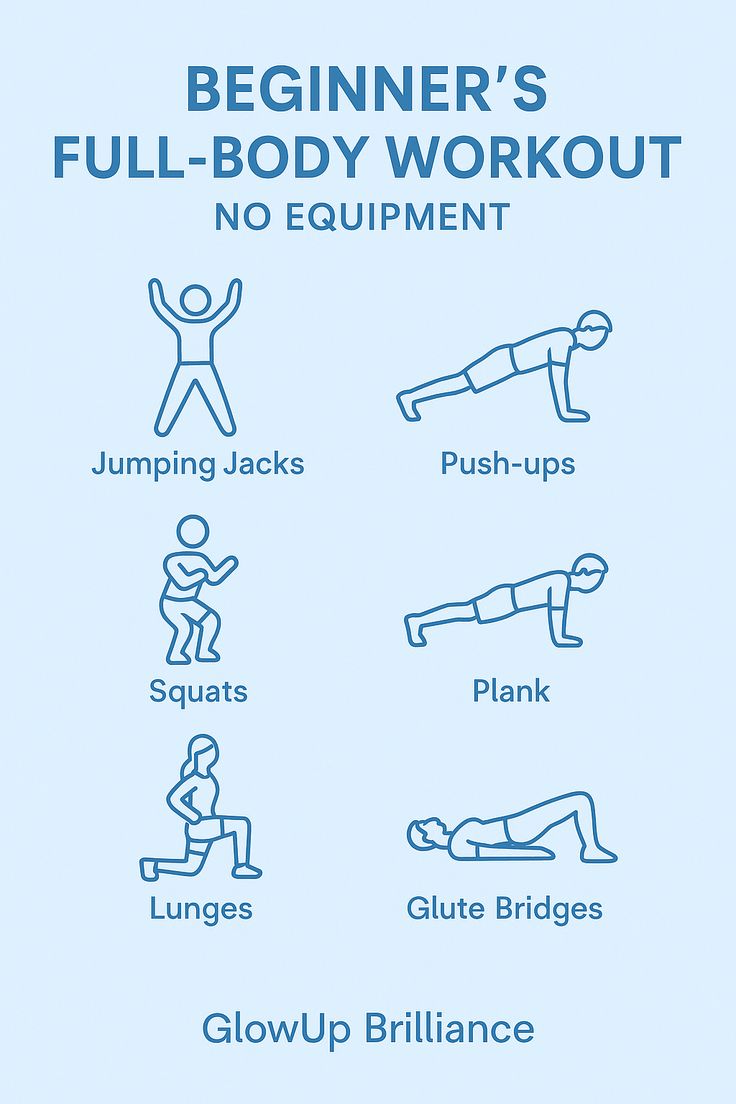
Building strength doesn’t require expensive gym memberships or specialized equipment. For beginners, an effective workout routine can be done entirely at home using just bodyweight exercises. Squats, push-ups, and planks—often considered foundational movements—offer a simple yet powerful starting point for developing muscular strength, endurance, and body awareness. This essay outlines an equipment-free strength training routine suitable for those new to fitness, focusing on correct technique, progression, and consistency.
Benefits of Bodyweight Training for Beginners
Bodyweight exercises provide an accessible entry point into strength training. They eliminate barriers related to cost, space, and equipment. For beginners, mastering movement patterns like squatting and pushing lays the groundwork for future progress. These exercises also engage multiple muscle groups, encouraging functional strength, balance, and coordination. According to the American Council on Exercise (ACE), bodyweight training improves neuromuscular control, which is essential for injury prevention and long-term fitness (ACE Fitness).
Moreover, bodyweight exercises can be adapted to individual fitness levels. By changing angles, increasing reps, or reducing rest, the same movement can become progressively more challenging as strength improves.


The Routine: A Simple Home Workout Plan
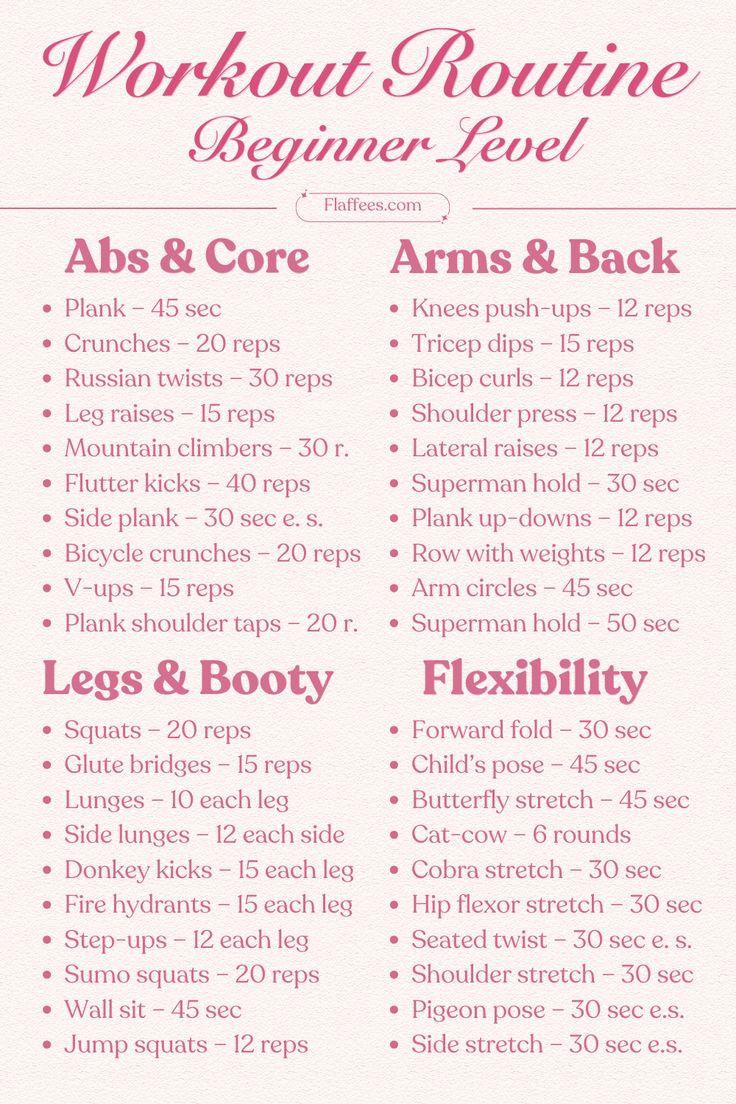
The following routine includes five key exercises performed in a circuit format. Three rounds, with one minute of rest between each, will offer an efficient 25 to 30-minute workout that targets the major muscle groups.
1. Bodyweight Squats (15 reps)
Squats strengthen the glutes, quads, and hamstrings. To perform a proper squat, feet should be shoulder-width apart, chest lifted, and knees tracking over the toes. As one lowers into a squat, the hips should move back as if sitting into a chair. Pushing through the heels engages the posterior chain and avoids excess strain on the knees.
Squats also enhance mobility and stimulate core engagement, making them a staple in beginner routines. Increasing reps, adding pauses at the bottom, or transitioning to jump squats can make this movement more intense over time (Nerd Fitness).
2. Incline Push-Ups (10–12 reps)
Push-ups build strength in the chest, shoulders, triceps, and core. Beginners should begin with incline push-ups using a sturdy surface like a countertop or table. This reduces bodyweight load while allowing full range of motion. Hands should be placed shoulder-width apart, with the body forming a straight line from head to heels.
As strength improves, one can progress to knee push-ups, and eventually to standard push-ups on the floor. Proper alignment is critical to prevent shoulder or wrist strain.
3. Glute Bridges (15 reps)
Glute bridges focus on the posterior chain—particularly the glutes and lower back. Performed lying on the floor with knees bent and feet flat, the movement involves lifting the hips by squeezing the glutes and hamstrings. Glute bridges are beneficial for countering sedentary habits and improving pelvic stability (Healthline).
To increase intensity, one can add a pause at the top of the lift, perform single-leg variations, or add resistance with bands in more advanced stages.
4. Forearm Plank (20–30 seconds)
The forearm plank is a static core exercise that strengthens the abdominals, lower back, and shoulders. It requires maintaining a rigid body line while resting on the forearms and toes. Engaging the core and glutes is essential to prevent sagging hips or excessive arching.
Increasing hold time by 5–10 seconds weekly or incorporating side planks introduces new challenges as endurance builds. Planks improve posture and core stability, both important for daily movements and injury prevention (Harvard Health).
5. Wall Sit (30 seconds)
The wall sit is an isometric exercise that targets the quads, glutes, and calves. Performed by leaning against a wall with knees bent at a 90-degree angle, it tests muscular endurance. It also requires mental discipline, as the burn intensifies over time.
As with other exercises, progression can come from increased duration or added challenges like pulses or heel lifts.
Creating a Weekly Structure
A sample workout schedule might involve training three days per week (e.g., Monday, Wednesday, Friday), with optional active recovery on other days. Consistency is key for seeing measurable improvements in strength. As form improves and the exercises become easier, beginners can add a fourth training day or introduce low-impact cardio like walking or yoga.
The warm-up and cool-down are equally important. A proper warm-up activates the muscles and prepares the joints, while post-workout stretching helps reduce soreness and maintain flexibility.
New exercisers should be mindful of their limits and focus on technique. Rushing into too many repetitions or advanced variations increases the risk of injury. Tracking progress in a journal or app can motivate continued effort and help identify when to level up exercises.
Rest and nutrition also play a role in muscle recovery and strength development. Beginners should aim for 7–9 hours of sleep per night and a balanced diet rich in protein, whole grains, and healthy fats.
A simple bodyweight workout can serve as a powerful foundation for building strength at home. With no equipment and minimal space, exercises like squats, push-ups, planks, and glute bridges offer a scalable way to develop muscular endurance and control. By starting small, maintaining proper form, and progressing gradually, beginners can cultivate lasting strength and confidence in their physical abilities—without stepping into a gym.
Works Cited
ACE Fitness. “Why Bodyweight Training Is Underrated.” American Council on Exercise, https://www.acefitness.org/education-and-resources/professional/expert-articles/7813/why-bodyweight-training-is-underrated/. Accessed 14 Oct. 2025.
Harvard Health. “Core Exercises: How to Strengthen Your Core Muscles.” Harvard Health Publishing, https://www.health.harvard.edu/staying-healthy/core-exercises-how-to-strengthen-your-core-muscles. Accessed 14 Oct. 2025.
Healthline. “How to Do a Glute Bridge.” Healthline, https://www.healthline.com/health/exercise-fitness/glute-bridge. Accessed 15 Oct. 2025.
Nerd Fitness. “Beginner Bodyweight Workout: Burn Fat and Build Muscle.” Nerd Fitness, https://www.nerdfitness.com/blog/beginner-body-weight-workout-burn-fat-build-muscle/. Accessed 17 Oct. 2025.