The Art of Wu Wei: Finding Peace Through Effortless Action | Chinecherem Enujioke
“Be like water making its way through cracks. Do not be assertive, but adjust to the object, and you shall find a way around or through it. If nothing within you stays rigid, outward things will disclose themselves… Now, water can flow or it can crash. Be water, my friend.”—Bruce Lee
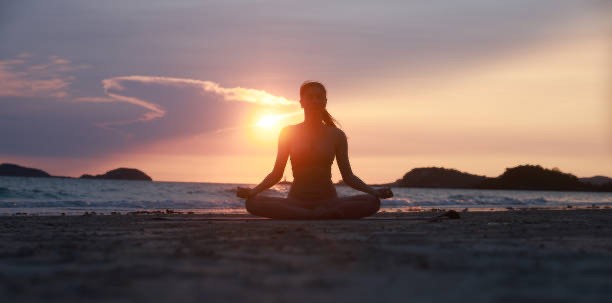
The paradox, effortless action, is a Taoist concept of effortless performance, which does not convey the lack of performance, but one carried out while retaining one’s composure and without force. Also known as Wu Wei, it is an ancient Chinese practice which prioritises harmony between one’s energy and the universe.



There are no authorities that confirm the origin or founder of Wu Wei but Taoist texts attribute its origin to Lao Tzu and as the author of Tao Te Ching where Wu Wei is the central subject. Lao Tzu discussed the concept as a unity with the cosmos for personal efficacy and salvation and not exactly passiveness.
The practice of Wu Wei calls for patience and ‘doing’ without coercion of the mind. Stephan Joppich finds it similar to what Bukowski meant when he said ‘you wait and when there's nothing, you wait more). Even in creativity, there is Wu Wei. That is how your creation happens, because you let go.

If you are finding yourself, try the act of Effortless Action. Below are 5 ways to practice Wu Wei in daily life.
- Patience: Wu-wei is first about patience. When things are not working out or are stuck, do not force them. Breathe in and be patient with yourself and everything around you.
- Present Moment Awareness: Try paying attention to the birds flying or the sounds they make, watch the goats chew on grass, put your feet in the water and feel everything around you.
- Effortless Action: Do not overthink when you want to do something. Do not resist while walking down a hill. Let the hill move you.
- Let go: You must let go. Release your mind of worries. Wander. Be like the water, be kike the wind. Remember that wu-wei is not the absence of action but the absence of overaction. The Tao Te Ching says ‘The Tao does nothing, yet nothing is left undone.’
References:
larksuite.com
Photocredits:
istockphotos.com